Be yourself; Everyone else is already taken.
— Oscar Wilde.
This is the first post on my new blog. I’m just getting this new blog going, so stay tuned for more. Subscribe below to get notified when I post new updates.
Be yourself; Everyone else is already taken.
— Oscar Wilde.
This is the first post on my new blog. I’m just getting this new blog going, so stay tuned for more. Subscribe below to get notified when I post new updates.
At Domaine de Perches you are guests of Alain and Howard for the ultimate French country house escape, staying at a welcoming boutique hotel.

Alain and Howard have breathed new life into a 17th century oatmeal-coloured wine château. Even Grand Designs’ Kevin McCloud would be in awe at the scope of their project. Six years ago, there were holes and barn owls in what is now the roof of the Grand Saloon.
What was once a cellar housing thousands of bottles of Gaillac wine has been transformed into a light drawing room, leading into an opening dining area.

But along from the cellar six concrete wine vats remain. “Our demolition expert would not touch them. He feared the house would crumble around us,” says Howard ruefully.
The welcome
Remember you are a house guest – there is no reception. Shout a “hello!” and Alain or Howard will emerge to show you to your room and offer coffee, tea or wine. Then they will offer a tour of the house and its four hectares of grounds, pausing to show you views across their five hectares of vineyards towards the Montaigne Noire.

They will talk of their plans to install a gym, to host a resident artist in what was once the gape-pickers dormitory, to place outdoor furniture by a Givenchy style lily pond, to cover the car park with solar panels panels to provide the power for the grape-presses. No one can accuse Alain and Howard of a lack of vision.
The rooms
I am a returning guest. Last time, I stayed in the main house, in a cooling large tall-ceilinged room, with a separate dressing area, leading into the bathroom.
This time I am in the Malbec suite, named after a grape as are all 11 rooms, with the best views over the wine country landscape. Every room is a collage of restful neutral creams and oatmeals, artful flower arrangements and libraries of interior design magazines.

In the suite’s spacious lounge there is a sofa, armchairs, a writing desk, a coffee table and side-tables which are homes for yet more interior design magazines. There is neither television nor radio to disturb the birdsong of this French rural idyll.
Rooms are decorated by art collected from around the world. Fluid, vivid oil paintings of passionate violinists, vibrant Berber throws from Morocco’s High Atlas, rugs from Peru and India. Alain and Howard are passionate collectors and travellers.
The bathroom
Bathrooms are on a grandiose scale rarely found in a hotel. My well-lit bathroom had two wash basins and metres of space for all the accoutrements of ablution.

Then there was a walk-in monsoon shower. Not just with virtually instantaneous hot-water but also sensitive and responsive controls.
The facilities
There’s a tennis court, a swimming pool with unbelievable views and acres of land to meander through. Drawing rooms to read and relax in.

Dinner begins with a bottle of something bubbly, aperitifs and sparkling company. There is no menu but Howard always checks on allergies, likes and dislikes in advance.

Between the chatter, four courses arrive as if by magic, each accompanied by a local wine, usually with the story of its provenance. A chilled gazpacho style soup to start, then some asparagus and salmon or walnuts and goats cheese. For the main course seared veal or a tuna steak and finally a strawberry sorbet or Howard’s cherry and pear tart.
Every night you will dine in a different location: one night in the Old Cellar, another in the Orangery or if the weather is fine by the pool.
The location
Near Galliac, 35 miles north-east of Toulouse airport, Domaine sits amongst the quiet roads of the Tarn. Perfectly located for touring the Bastides Villages, including two of France’s Plus Beau Villages – Castelnau-de-Montmiral and Cordes-sur-Ciel.

Alain or Howard will help you plan your day’s itinerary. Albi with its Toulouse-Lautrec Museum is at the heart of the region, though surprisingly the Museum, in the spirit of the siesta, closes for a lengthy lunch.
Other nice touches
Breakfast epitomises the French good life. Home made yogurt, baked in the oven in winter, baked in the sun during the summer. Fresh bread from the Gaillac bakery, cheeses from the market and amongst the preserves, a fig jam made by a neighbour.

Cost
Rooms begin from €150 per night for bed and breakfast, rising to €215 for the suites.
Dinner, including canapés and aperitifs, as well as four courses with wine, with tea or coffee, is €50 Euros per person.
The best bit
You are the guests of Alain and Howard: charming and eloquent company, considerate and imaginative hosts. They welcome you into the gossip in this gentle landscape of medieval hilltop villages, vineyards, sunflower fields and palatial pigeonnaires.

They tell of the absurd Truffle Wars in Cordes-sur-Ciel, “It was like a scene from Manon de Sources,” says Howard sadly. Recommendations are given of where to lunch on your travels around the Tarn and where not to eat.
The final verdict
To stay at Domaine de Perches is to step into another world, the epitome of the French good life that so many of us dream off. This is a world of art, culture, good company, great food and fine wines. Once you have visited you will always want to return.
Caucasian cuisine is one of the finest and tastiest cuisines there is. Unfortunately, most people don’t seem to know about it. I won’t blame you. In Western cities, it isn’t easy to find a good Georgian or Armenian restaurant. In Moscow that is completely different. Good Caucasian restaurants are a dime a dozen here. That is why this city is the ideal location for a savvy luxury traveler to try this underrated cuisine. To make things easier for you, I put together the five best Caucasian restaurants in Moscow.
1. Genadzvale

Located right in the center of Moscow on New Arbat, this Georgian restaurant could just as well be a little Georgian house that is standing in Tbilisi<. It is thoughtfully decorated and even boasts a little courtyard to round off the authentic Georgian flair. Of course, the service is as warmhearted as if you were in Georgia instead of the usual cold aloofness that you are treated with in Moscow. One of my personal favorites.
2. Natakhtari
Natakhtari is actually the name of a Georgian village. But it is also a fitting name for this establishment because this restaurant is as Georgian as they come. The Hachapuri is made with real Georgian cheese, you can choose four different types of meat as your Khinkali filling and the wine menu features no less than 25 different types of wine. In summer, you can enjoy all these delicacies on their terrace. Given the fact that the restaurant is in the heart of Moscow in Kitay Gorod, you should not pass up this opportunity.

3. Shu Shu
Shu-Shu is a bit livelier and wilder in comparison to the other options on this list. Not every restaurant boasts authentic belly dancers, karaoke nights and cooking master classes to learn the ins and outs of Caucasian cuisine. If that sounds like a grand time to you, then you’re absolutely right. This is a great choice if you want to combine tasting authentic Caucasian food (like their fantastic Plov) and having a fun night out.

4. Noev Kovcheg
This restaurant’s name translates to “Noah’s arch” in English. Looking back on over twenty years of history, this restaurant is one of the best and most exclusive Armenian restaurants you can find in Moscow. Almost every dish on the menu has its own backstory. Needless to say that all ingredients are imported from Armenia such as “Ishkhan” trout that can only be found there. If you only have time for one restaurant on this list, this would probably be my pick.

5. Batoni
The last place on this list translates to Sir in English. It is more a cafe than a restaurant but I had to include it for its cozy and relaxing atmosphere. The menu isn’t as opulent and detailed as in some of the other places but it is 100% authentic. On top of that, you have live Georgian music playing on Sundays.

The Munich Olympic Stadium is so much more interesting than just a place for 22 grown men or women to kick around a round, synthetic-leather-clad ball. It’s true that this footie-mad nation continues to use the stadium as a ground zero of sorts to feed their passion for the beautiful game. It has, after all, played host to any number of major football events and matches, including the 1974 FIFA World Cup Final, the 1988 UEFA Euro Final, the European Cup Finals in 1979, 1993 and 1997, and the 2012 UEFA Women’s Champions League Final, to name just a few.
But did you know that the stadium, built between 1968 and 1972 for the 1972 Summer Olympics, was constructed in a pit made by bombings during World War II? The pit is said to have made construction easier, which was, no doubt, somewhat of a relief given the magnificent scale and scope of German architect Günther Behnisch and engineer Frei Otto’s visionary masterpiece.
What’s more, did you know that the architects took inspiration for the construction of the sprawling, light-as-air, tent-like roof, from spiderwebs and diatoms (a major group of ocean algae)?
This same spectacular roof, which covers not only the main grandstand of the Olympic Stadium but extends across the Olympic Hall, the Olympic Pool and the paths connecting the buildings, was also nearly the reason Behnisch & Partner were not awarded the contract for the stadium. The selecting panel deemed the idea too risky and unfeasible, and initially threw their bid out. In the end, though, beauty and imagination won the day and they were awarded the contract. The result? A city landmark, and architectural sensation, which continues to sell out to tens of thousands (69,250 to be exact) of fans on a regular basis – be it for sports events, music concerts, or even touring car fans.
To build the roof, a complicated net of steel cables was first woven on the ground and then lifted up and fastened onto masts which are secured with more cables. Add large sweeping canopies of acrylic glass, stabilized by yet more steel cables, to the mix, and you have a complex which many think imitates the Alps. Whatever you see, mountains, spiderwebs or microscopic ocean creatures, there is no denying the structure is quite spectacular.
The ingenuity and vision of this venue doesn’t stop at its construction either. Case in point: in December 2006, the stadium made history by becoming the first venue to host the Tour de Ski cross-country skiing competition. In yet another nod to the Alps, the venue made its snow for the event by combining hot air with cold refrigerated water to create the type of icy snow commonly experienced in the Alps.
Meanwhile, as a concert venue, the stadium has hosted more than its fair share of the greats. The Rolling Stones. Bruce Springsteen. Michael Jackson. Tina Turner. U2. Guns ‘n Roses. Sting. Dave Matthews Band. Elton John. AC/DC. Metallica. Red Hot Chilli Peppers. Coldplay. Madonna. Celine Dion. Rihanna. This list could go on for days. So we’ll stop there. But suffice to say, chances are, if you’ve heard of them, they’ve played here.
Situated at the heart of the Olympiapark München in northern Munich, you can visit the stadium outside of sporting events and concerts almost every day. (It is only ever closed for general public visits on December 24th and 31st, and for special events.) To get there, take the U3 underground via Olympiazentrum, followed by a 10-minute walk to the Olympic Park, or take Tram 20 und 21, stopping at Olympia Park West, or Tram 27, stopping at Petuelring.
The Munich Olympic Stadium is so much more interesting than just a place for 22 grown men or women to kick around a round, synthetic-leather-clad ball. It’s true that this footie-mad nation continues to use the stadium as a ground zero of sorts to feed their passion for the beautiful game. It has, after all, played host to any number of major football events and matches, including the 1974 FIFA World Cup Final, the 1988 UEFA Euro Final, the European Cup Finals in 1979, 1993 and 1997, and the 2012 UEFA Women’s Champions League Final, to name just a few.
In case you didn’t know, I LOVE Japan. I studied the culture extensively in college and grad school, lived there twice, used to travel to Tokyo 1-2 times per year over the course of a decade in my last career, and continue to travel to Japan often. Even after numerous visits, I continue to find new, dynamic experiences to have there. Here are a few of them…
1. Visit Niseko on the island of Hokkaido (Japan’s northernmost island)
With its gorgeous scenery, the highest quality of food in Japan due to its vast number of farms, and calm feel, Niseko is a hidden secret typically frequented by Japanese residents. After visiting Niseko for the first time in May of 2019, I see the draw locals have to the area and I encourage any visitor to make a stop here if you have the time. The luxury hotel brands have already caught wind that this is an up-and-coming destination, as evidenced by the number of heavy-hitting luxury hotels close to completing construction there.
While there, I had a chance to visit the construction site for the Park Hyatt Niseko – set to open soon. This will be a fantastic property; it will have grounds for numerous outdoor activities year-round; and will, of course, have Park Hyatt’s beautiful design and excellent service. Also not to be missed in Niseko is Zaborin. Zaborin offers a contemporary approach to ryokan (traditional, Japanese inn). This is undoubtedly the best place I’ve stayed in all of Japan ever and currently one of my favorite properties in the world! When planning a visit to Niseko, I’d recommend spending a couple of nights enjoying the activities at the Park Hyatt Niseko, followed by two nights of peaceful surroundings, exceptional hospitality, and beyond phenomenal food at Zaborin. P.S. If you’re a skier, you’ll definitely want to visit Niseko as it is known for having the best powder in the world – even according to some avid skiers from Aspen.
2. Take in the art on Naoshima
Another Japan first for me was visiting Naoshima in 2017. The island has become famous for its outdoor art installations, galleries, and unique architecture. Artists and architects featured here are the likes of Yayoi Kusama and Tadao Ando. The island’s concept of blending nature with art and creating an atmosphere in which the viewer has more physical interaction with the art has gained in popularity so much that it is starting to be incorporated into communities as far west as Potomac, MD (a community very close to where my own family lives in the Maryland-DC area).
In this area you will find Glenstone – a contemporary art museum which marries the art and its surroundings to create a more contemplative experience. If you can’t make it to Japan, Glenstone is worth a visit the next time you are in the DC area. But definitely add Naoshima to your list when you do get to Japan!
3. Stay in Furano in the Summer
Furano is at the heart of farm country on Hokkaido. You’ll find the most delicious ice cream, cheese, and beef in this area all coming from the nearby farms. In addition to the food, this part of Hokkaido has some of the beautiful landscapes in the summer… land filled with flowers.
A significant number of the flowers grown here are lavender. You’ll find farms making lavender candy, lavender soaps, and even lavender ice cream (which is surprisingly delicious). While in Furano, stay at Furano Resort Orika. Here you can play golf and enjoy hot spring baths overlooking flower fields.
4. Eat ramen and drink beer in Sapporo
By now you are most likely familiar with the ramen craze and its close ties to Japan. While you can certainly eat ramen in any number of restaurants around the globe, in big cities in Japan, and even in your home, it’s worth it to eat it in the city of Sapporo, where many Japanese believe ramen is at its best! It’s so delicious and popular in Sapporo that they even have a ramen festival (which we managed to catch while we were there). We were able to squeeze in two bowls of ramen during our one-night Sapporo stay, and it was worth it! Before or after having ramen, visit the Sapporo Beer Museum for a Sapporo Beer tasting. After all, you ARE in Sapporo!
5. Have a cocktail from a cocktail cart in Tokyo
Sure, you’ve visited bars and lounges in your hometown and you’ve hit a couple when you’ve traveled too. But have you had cocktails from a cocktail cart (like a food cart)? Shotaro Kamijo has a contemporary, boutique-y-feeling cart named Twillo, which he takes out almost nightly and uses to create a cocktail lounge-like ambiance on the streets of Tokyo.
Complete with actual crystal (no plastic cups here), a disco ball, and the company of a mixologist sporting a faux fur coat, you have everything you need for a night cap (as it was for us) or a drink to kick-off your evening. Check Shotaro’s tweets nightly (@twillo0) at approx 10-11pm Tokyo time to determine his location.
Here’s a round-up of luxury travel stories that have caught the eye this week. To make sure you receive these new weekly alerts in your web browser, please click on the red bell icon in the bottom right hand corner of the page and click ‘subscribe’ (works on desktop only – for other ways to subscribe, please click here). This will also alert you to any other posts on the blog. Should you wish, you can unsubscribe at any time, by clicking on the icon again and selecting ‘unsubscribe’.
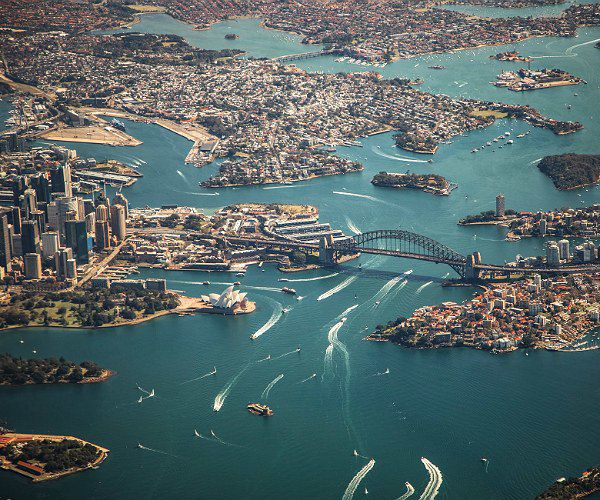
Flights to Australia from the UK in just 90 minutes could soon be a reality
Flights from the UK to Australia could be slashed from around 22 hours to just 90 minutes if new plans for a spaceport in Cornwall go ahead. The incredibly fast flights could be available if plans for a new spaceport in Cornwall – the first in Europe – go ahead. The UK Space Agency has confirmed it is drafting regulations to allow sub-orbital flights from a site in Newquay. So far, the spaceport plan – which has a whopping £20million of funding – has been proposed as a base for launching small satellites into orbit. However, the new licence would also allow it to be used for space tourism, and closer to earth, passenger flights…
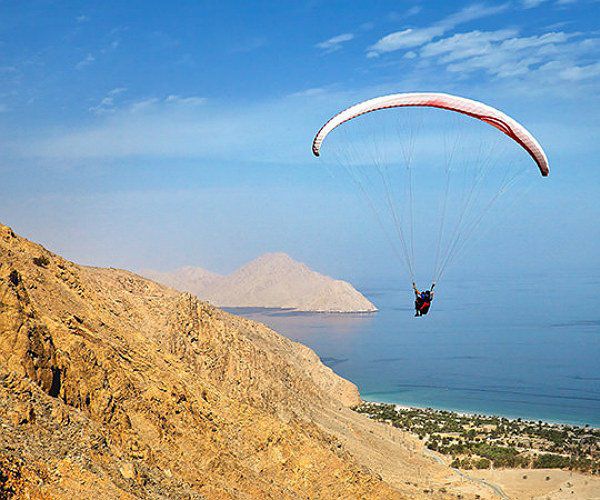
Paragliders, helicopters, and horse-drawn carriages: 9 luxury hotels with over-the-top welcomes
With their grand lobbies, top-hatted doormen and anticipatory service, many luxury hotels have you feeling like you “have arrived” before you even hit the check-in desk. Some, however, go the extra mile by making the arrival process part of the overall experience—ensuring the five-star touches begin from the moment you first make contact with the staff, and that memories are made before you even set foot at the resort. From a royal-inspired horse-drawn carriage ride to the chance to paraglide into reception (what better way to announce, “I am here!”), these nine hotels help you make a truly dramatic entrance…
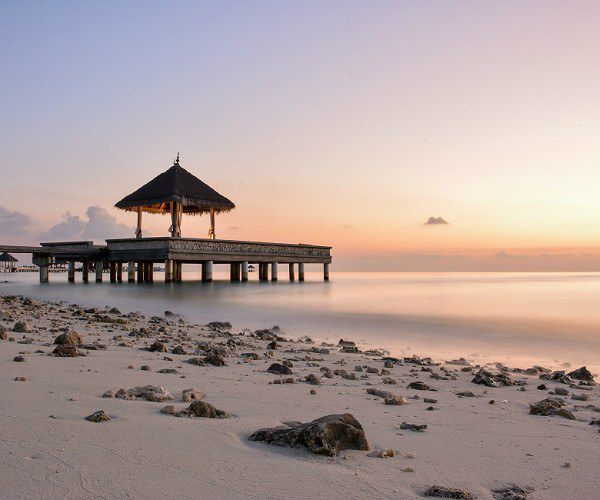
Indian Hotels Company plans 10 more Taj-branded luxury hotels by 2020
Indian Hotels Company (IHCL), which runs India’s largest home-grown hotel chain the Taj Group of Hotels, may harbour grand plans for its mid-market brand Ginger but the company has no intention of giving up what it knows and does best — luxury hotels across major metros and resort cities…
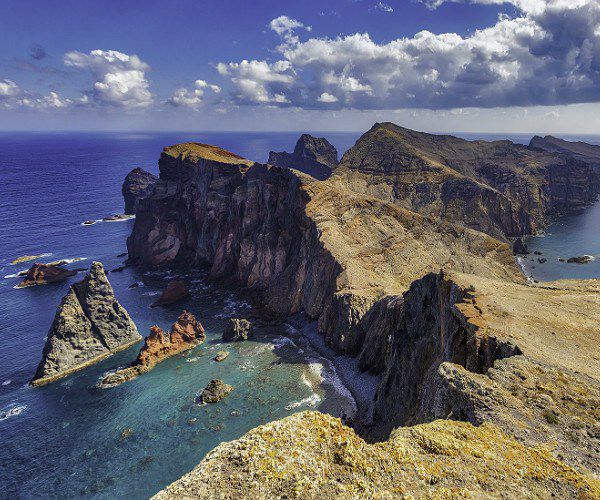
Portugal blows the World Travel Awards out of the water, with 39 awards
Portugal swept up at the World Travel Awards, hosted in Madeira, clocking in with a total of 39 awards – an increase of three from last year’s total. This year, Portugal received the Best European Tourist Destination for the third year running. Also included were prizes for several hotel categories such as Best Business, Design, Luxury, All-inclusive, and Romantic hotels. Portuguese airline TAP was voted Europe’s leading airline to South America and Africa…
The most beautiful ships for a cruise on the Amazon
From little boats to large liners, all manner of vessels cruise along the Amazon River through Brazil, Ecuador and Peru. Here is a selection of ships of different sizes and levels of luxury, and the facilities and activities they offer…
This is an example post, originally published as part of Blogging University. Enroll in one of our ten programs, and start your blog right.
You’re going to publish a post today. Don’t worry about how your blog looks. Don’t worry if you haven’t given it a name yet, or you’re feeling overwhelmed. Just click the “New Post” button, and tell us why you’re here.
Why do this?
The post can be short or long, a personal intro to your life or a bloggy mission statement, a manifesto for the future or a simple outline of your the types of things you hope to publish.
To help you get started, here are a few questions:
You’re not locked into any of this; one of the wonderful things about blogs is how they constantly evolve as we learn, grow, and interact with one another — but it’s good to know where and why you started, and articulating your goals may just give you a few other post ideas.
Can’t think how to get started? Just write the first thing that pops into your head. Anne Lamott, author of a book on writing we love, says that you need to give yourself permission to write a “crappy first draft”. Anne makes a great point — just start writing, and worry about editing it later.
When you’re ready to publish, give your post three to five tags that describe your blog’s focus — writing, photography, fiction, parenting, food, cars, movies, sports, whatever. These tags will help others who care about your topics find you in the Reader. Make sure one of the tags is “zerotohero,” so other new bloggers can find you, too.
 Hang Nguyen